

Fire-Protection Installation Errors Highlight the Importance of Skilled Expertise
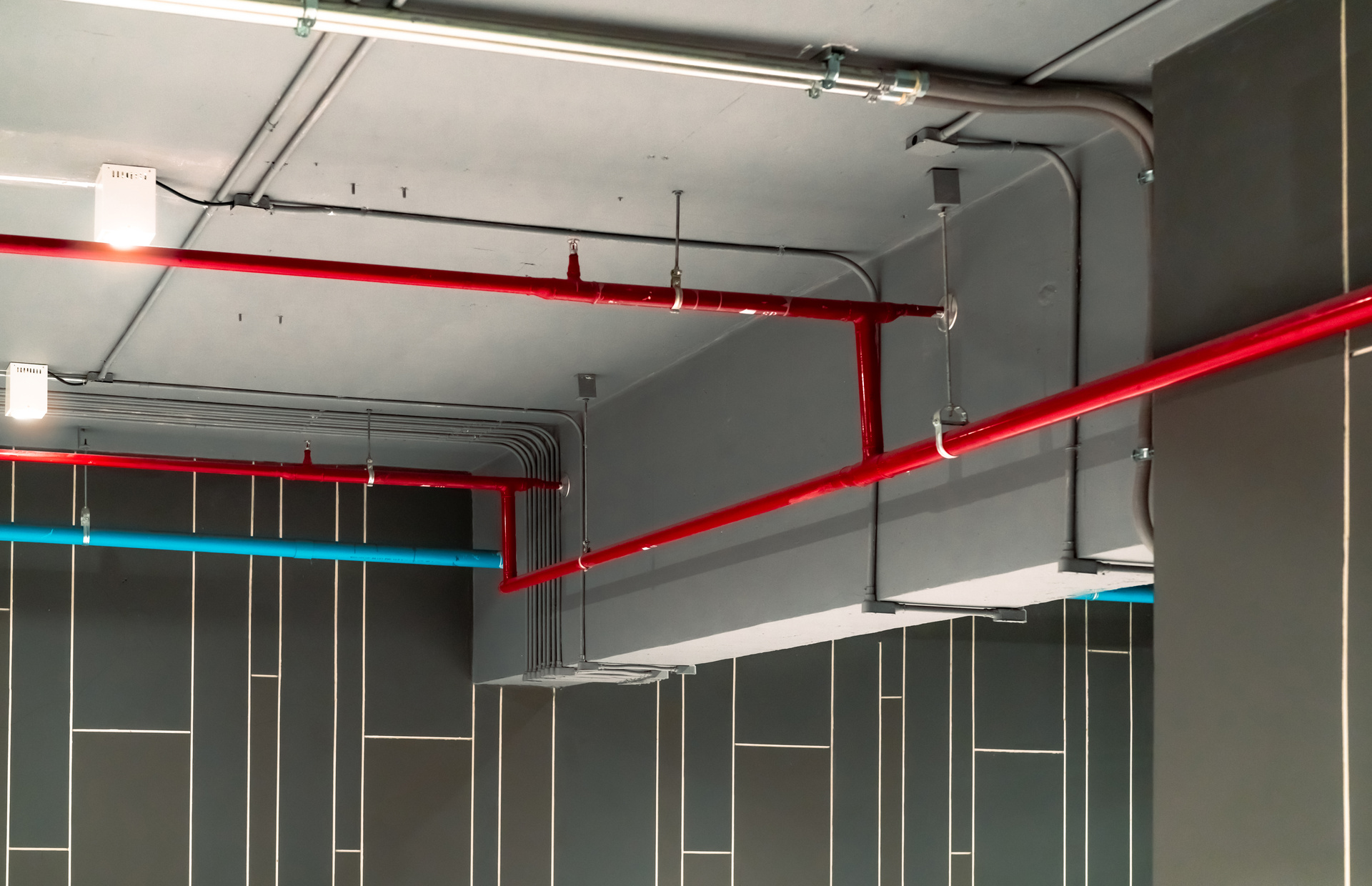

Small installation details determine whether a system performs exactly as intended during critical moments”
BATON ROUGE, LA, UNITED STATES, January 21, 2026 /EINPresswire.com/ -- Fire-protection systems play a critical role in safeguarding buildings, occupants, and assets. Yet many long-term performance issues arise not from product failure, but from installation mistakes that compromise system reliability. Industry professionals continue to emphasize that proper expertise during installation remains one of the most effective ways to prevent these costly and potentially dangerous errors.— Christopher Echeverria
Fire-protection systems involve complex coordination between mechanical, electrical, and structural components. Sprinkler piping, alarms, valves, sensors, and control panels must function as an integrated network. When even one element is improperly installed, overall system performance may be reduced.
One of the most common mistakes involves improper pipe alignment. Misaligned piping can place stress on joints and fittings, leading to leaks or failure during pressure events. Over time, vibration and thermal expansion increase that stress, accelerating deterioration.
Another frequent issue is inadequate support spacing. Fire-protection piping requires precise hanger placement to maintain stability. Insufficient support allows sagging, which alters water flow patterns and increases strain on connections.
Incorrect slope is another overlooked factor. Drainage and flow characteristics depend on proper pitch. Poor slope design can result in trapped air, stagnant water, and reduced discharge efficiency during activation.
Sealing and joint preparation also contribute to long-term reliability. Incomplete thread engagement, improper sealant application, or contaminated joint surfaces can create weak points that may not be immediately visible during inspection.
System zoning errors represent another installation challenge. Incorrect placement of control valves, flow switches, or test connections complicates maintenance and emergency response. Proper zoning allows quick identification and isolation of affected areas.
“Fire-protection systems demand precision at every step,” said Christopher Echeverria, owner of Brazo’s Protection Manpower in New Orleans, Louisiana. “Small installation details determine whether a system performs exactly as intended during critical moments.”
Improper clearance around sprinkler heads is another recurring issue. Obstructions reduce spray pattern effectiveness and compromise coverage. Ceiling design, lighting placement, and structural elements must be coordinated carefully to preserve proper discharge paths.
Alarm system integration errors can also occur when devices are installed without full coordination. Improper wiring, labeling, or programming may delay alerts or create confusion during emergency response.
Material handling mistakes further contribute to system vulnerability. Damaged pipes, fittings, or devices installed without proper inspection introduce hidden risks that may surface years later.
Documentation gaps create additional challenges. Without accurate as-built drawings and installation records, future maintenance becomes difficult. Lack of documentation increases troubleshooting time and repair cost.
Inspection access is another important consideration. Poor placement of valves or test connections limits accessibility, making routine inspection more difficult and time-consuming.
Fire-protection installation also requires strict adherence to codes and standards. Local, national, and industry guidelines establish minimum requirements for spacing, flow, pressure, and coverage. Deviations from these standards compromise compliance and performance.
Environmental exposure further magnifies installation quality. Temperature changes, humidity, vibration, and building movement all test system integrity. Proper installation allows components to withstand these forces over time.
Training and experience remain essential. Fire-protection installation is not a general construction task. It requires specialized knowledge of hydraulic design, code interpretation, material compatibility, and system interaction.
“Expertise prevents problems long before systems are activated,” Echeverria said.
Coordination with other trades also affects outcome. Fire-protection systems often share space with HVAC, electrical, and structural components. Lack of coordination leads to conflicts that compromise layout and access.
Testing procedures provide another opportunity for error prevention. Pressure testing, flow verification, and alarm confirmation ensure system readiness. Skipping or rushing these steps leaves uncertainty in system performance.
Maintenance teams depend heavily on installation quality. Systems installed with clarity, accessibility, and documentation allow faster service and fewer disruptions.
Building owners also benefit from reduced long-term cost. Proper installation lowers the frequency of repairs, reduces downtime, and preserves system life.
In high-occupancy facilities such as schools, hospitals, and commercial buildings, installation errors carry increased risk. Reliability becomes not only a financial concern, but a safety obligation.
Residential properties experience similar effects. Proper installation ensures that protection systems operate correctly when needed most.
Technological advancement has increased system capability but also increased installation complexity. Modern fire-protection systems incorporate digital monitoring, networked alarms, and advanced flow controls that require specialized expertise.
Installation discipline also supports insurance compliance. Many insurance evaluations depend on proper system installation and documentation.
Environmental responsibility benefits as well. Efficient systems reduce unnecessary water discharge and minimize damage during activation.
Fire-protection installation errors rarely announce themselves immediately. They remain hidden until conditions demand performance. At that moment, correction is no longer possible.
“Fire-protection systems are designed for moments that cannot be rehearsed,” Echeverria said. “Installation determines how those moments are handled.”
Preventing mistakes begins with planning. Accurate drawings, coordinated layouts, and clear sequencing reduce on-site improvisation.
Supervision reinforces quality. Verification at each stage ensures alignment with design intent.
Quality control confirms results. Inspection, testing, and documentation complete the installation process.
Expertise transforms complexity into reliability. It replaces uncertainty with confidence.
Fire-protection systems represent one of the most critical safety investments within any structure. Their effectiveness depends not only on design, but on disciplined execution.
By recognizing common installation mistakes and emphasizing skilled expertise, building owners and project teams can protect both property and life more effectively.
Fire-protection systems are silent guardians. Their value appears only when they are needed. Installation quality ensures they answer that call without hesitation.
Through proper training, coordination, and meticulous attention to detail, installation expertise prevents the mistakes that compromise safety.
In fire protection, precision is not optional. It is essential.
And in the moments that matter most, installation expertise becomes the difference between uncertainty and reliability.
Morgan Thomas
Rhino Digital, LLC
+1 504-875-5036
email us here
Visit us on social media:
Facebook
Legal Disclaimer:
EIN Presswire provides this news content "as is" without warranty of any kind. We do not accept any responsibility or liability for the accuracy, content, images, videos, licenses, completeness, legality, or reliability of the information contained in this article. If you have any complaints or copyright issues related to this article, kindly contact the author above.
